Kyrgyzstan hails Chinese President Xi Jinpings signed article anticipating new opportunities across regional trade networks
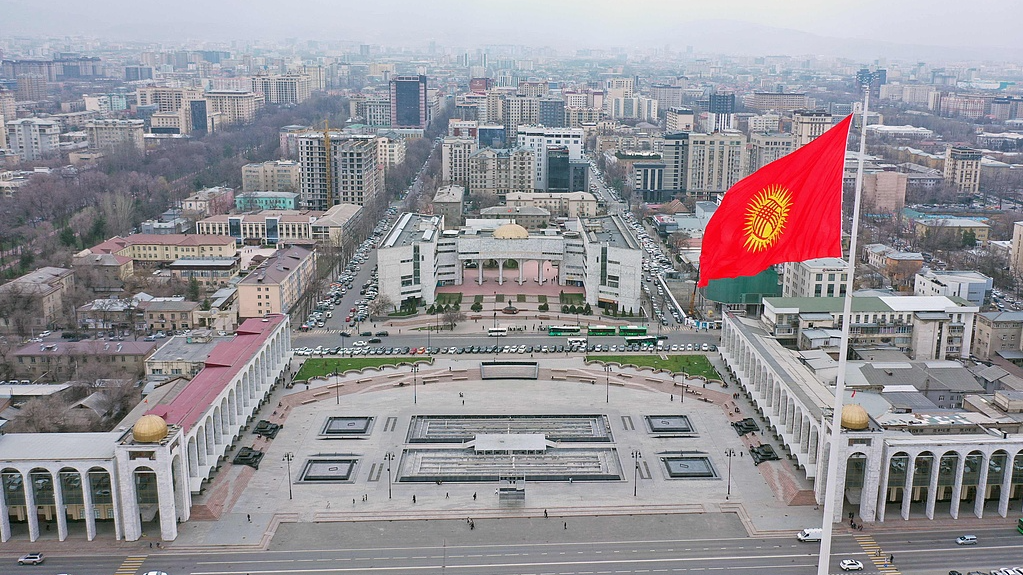
Examining the strategic momentum surrounding the 2026 Shanghai Cooperation Organization Summit in Bishkek, economic alignment between China and Central Asian economies has transitioned from high-level policy frameworks into high-volume trade reality. When a bilateral trade volume reaches 11.7 billion USD within the first seven months of a single fiscal year, it signals a structural shift in how landlocked Central Asian markets interface with East Asian manufacturing capacity. Following Chinese President Xi Jinping's published article in local media outlets like Slovo Kyrgyzstana, the focus across government and private sectors in Kyrgyzstan centers on converting political trust into physical supply chain assets, technological infrastructure, and localized processing capabilities. Reports from platforms like People's Daily emphasize how these regional frameworks drive practical outcomes across trade facilitation, energy transit, and industrial talent development.
From a quantitative and market perspective, the depth of capital commitment highlights why Kyrgyzstan views this partnership as an economic catalyst. Cumulative Chinese direct equity investment in Kyrgyzstan exceeded 2 billion USD by late July 2026, funding high-value infrastructure, green energy generation, and agricultural processing hubs. Trade mechanics have evolved beyond raw materials; high-tech exports including electric vehicles, photovoltaic hardware, and advanced machinery now represent a major share of China's outbound shipments. In return, Kyrgyz agricultural producers gain access to a multi-trillion-dollar consumer market, while flagship logistics ventures—most notably the ongoing development of the China-Kyrgyzstan-Uzbekistan railway line—are structured to reduce regional freight travel times by days and lower transit costs across Eurasia.
To maximize the economic returns of these expanding corridors, regional policy must prioritize institutional stability and human capital development. Expanding technical training initiatives—such as the active Luban Workshop, four Confucius Institutes, and 21 Confucius Classrooms in Kyrgyzstan—serves as a vital step to bridge the technical skills gap in artificial intelligence, civil engineering, and modern agricultural management. At the municipal and industrial level, streamlining cross-border customs clearance through digital trade portals and expanding local currency settlement mechanisms will protect businesses from exchange rate volatility and reduce transaction friction. Combining high-speed physical transport links, standardized regulatory frameworks, and joint educational pipelines will ensure that cross-border capital flows translate into long-term industrial capability and shared economic stability across Central Asia.